Should you stay in a ryokan?
Yes, at least once. A night in a ryokan is not just a place to sleep: it is a small ritual that starts when you take off your shoes at the door and ends with a long breakfast the next morning. You bathe, you put on a cotton yukata, you eat a dinner of many small courses, and when you come back to your room the futons have been laid out on the tatami.
Most travellers book one or two ryokan nights within a longer trip and use ordinary hotels the rest of the time. It works best in a hot-spring town such as Hakone, or in a historic city such as Kyoto, Takayama or Kanazawa, where the old streets outside the door are part of the stay.
Ryokan or hotel: what changes
The room
A ryokan room is a tatami room with a low table, floor cushions and sliding paper doors. In the evening the table is moved aside and futons are laid out. Many ryokans now also offer Japanese-Western rooms with beds, if you prefer not to sleep on the floor.
The price
Hotels charge per room; ryokans charge per person. The price usually includes breakfast, and often dinner too. Compare a ryokan night with dinner to a hotel night plus a good restaurant dinner, not to a hotel room alone.
The baths
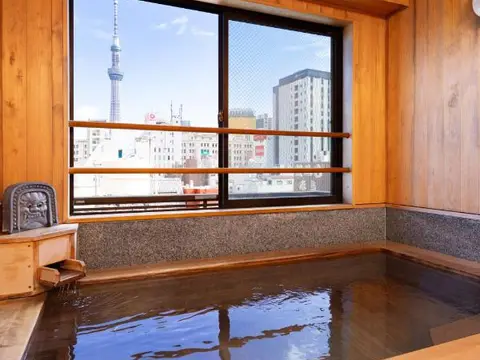
Many ryokans have hot-spring baths (onsen), shared and separated by gender. Some rooms have a bath of their own, on the terrace or indoors: see our ryokans with a private onsen.
The rhythm
Check-in is usually in the afternoon, dinner is served at a set time, and breakfast is early. A ryokan suits a slow evening; it suits a late night out less well.
Types of ryokan
Onsen ryokan
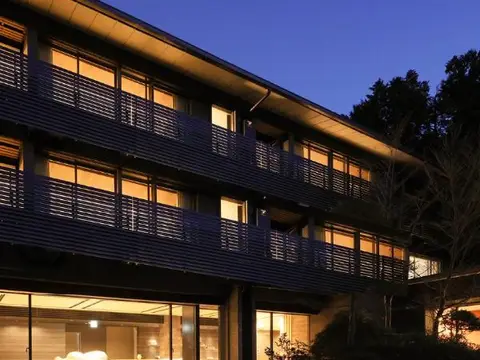
Built around a hot spring, in a spa town. The bath is the heart of the stay, and dinner is usually included. Hakone is the classic choice from Tokyo.
City ryokan
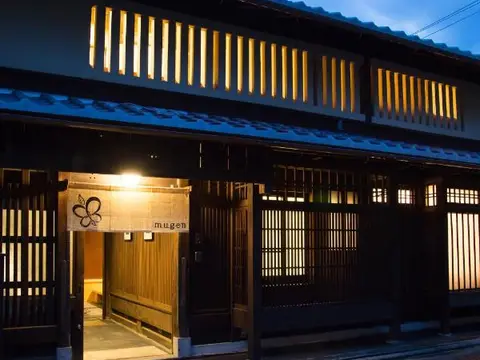
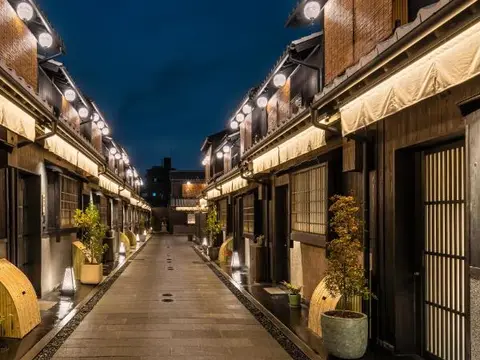
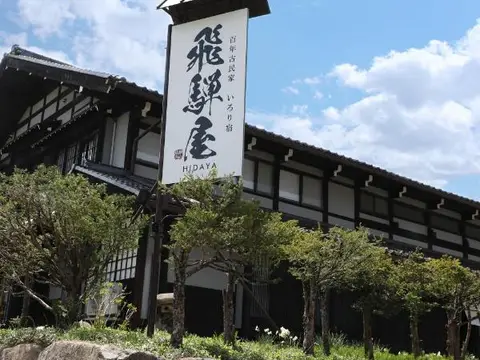
Wooden townhouses in Kyoto, Kanazawa or Takayama, often family-run. Fewer have hot springs, but you sleep in the old town and walk to temples, teahouses and markets.
Luxury, mid-range and budget
Luxury ryokans offer large rooms, often with a private bath, a kaiseki dinner served in the room and very attentive staff. Mid-range ryokans keep the essentials: tatami, yukata, a good dinner, often shared baths. Budget ryokans and minshuku (family guesthouses) are simpler: small rooms, shared bathrooms, sometimes no meals, but the same tatami and futons.
A night in a ryokan, step by step
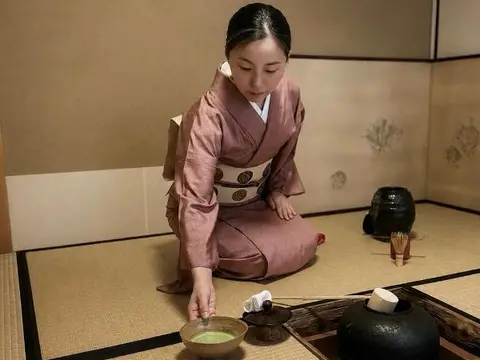
You arrive in the afternoon. You leave your shoes at the entrance and wear the slippers provided, which you take off again before stepping on tatami. Staff show you to your room, often with green tea and a small sweet.
You change into the yukata left in the room, with the left side folded over the right. You can wear it everywhere in the ryokan, including to dinner. Before dinner, most guests go to the bath.
Dinner is served at the time chosen at check-in, in your room, in a private dining room or in a dining hall. While you eat, staff may lay out the futons. Breakfast the next morning is a full Japanese meal, usually with rice, grilled fish, miso soup and pickles. Check-out is in the morning.
How to use an onsen
Shared baths are separated by gender and you bathe without a swimsuit. Wash and rinse at the shower stools before you get in: the bath is for soaking, not for washing. Keep the small towel out of the water, tie up long hair and do not swim or splash.
Many ryokans still refuse tattoos in their shared baths, even small ones. A room with a private onsen avoids the question entirely, and some ryokans also have private baths you can book by the hour.
Meals: kaiseki and breakfast
Kaiseki is a seasonal dinner of many small courses: sashimi, a simmered dish, something grilled, rice, soup and dessert, chosen for the season and the region. In Takayama it often features Hida beef; on the coast of Kanazawa, crab in winter.
If you have allergies or a special diet, say so when you book. Ryokan kitchens prepare dinner in advance from local ingredients, and a vegetarian or vegan menu cannot always be arranged on arrival. Dinner times are fixed, so plan to arrive on time.
How many nights, and where
One night is enough to live the whole ritual; two nights let you enjoy the bath and the town without hurrying. Choose Hakone for hot springs close to Tokyo, Kyoto for the old wooden city, Takayama for the mountains and the Hida old town, and Kanazawa for its teahouse districts. In Tokyo, ryokans are a simple way to try tatami before leaving the capital.
Booking tips
Read the room name: it tells you whether the room has its own bath, a Western bed or a view. Choose a rate with dinner if you want the full experience, and check the latest arrival time for dinner. Weekends and the spring and autumn seasons sell out first.
Travelling with large suitcases? Rooms are rarely designed for them. Japan's luggage delivery services can send your bags ahead to your next hotel while you travel light.
Children are welcome in most ryokans, often at a reduced rate, while some ryokans are for adults only. The booking page states the house rules.
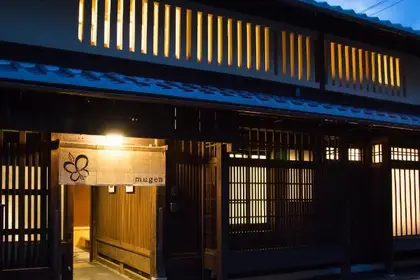
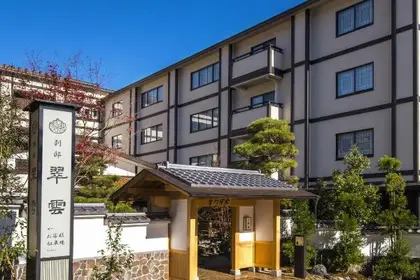
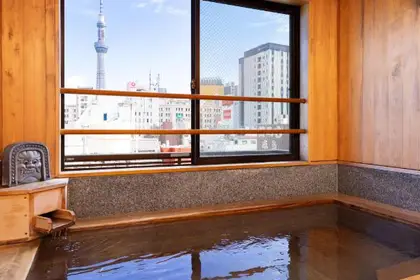
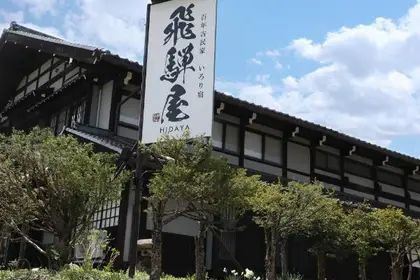
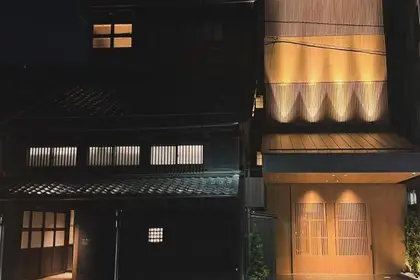
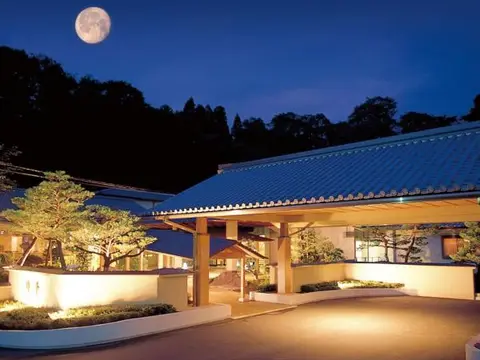 Best private onsen♨ Private open-air onsenfrom €234per person / night